The consulting services in science and engineering undertaken over the past 20 years and offered by Fracflow are listed below.
Community and Industrial Water Supply
Site Investigations for Surface Water and Groundwater Supplies
Consumer Demand Assessment
Consumer Quality Requirements
Existing Resource Utilization
Watershed Potential and Water Balance Studies (Physical and Isotopic)
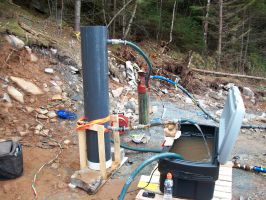
Water Well Design, Construction and Testing
Reservoir and Control Structure Assessments
Watershed and Wellhead Protection Programs and Monitoring
Wastewater System Assessment and Design
Project Management for Design and Construction
Options Evaluations and Site Selection
Value Engineering Studies
Hazard and Operability Study and Design Review
Influent/Effluent Quality Assessment Reviews
Disinfection Efficacy Studies
Infiltration/Exfiltration Studies
Hydrogeology and Surface Water Hydrology
Site Investigations
Flow System Analysis
Mine Dewatering Studies
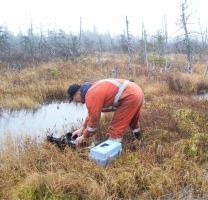
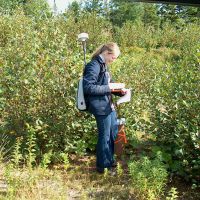
Groundwater and Surface Water Sampling and Monitoring
Tracer Experiments
Drainage and Seepage Studies
Groundwater Flow and Transport Modelling
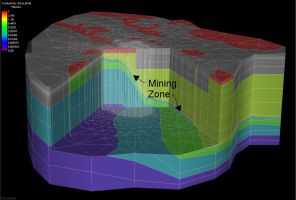
2-D and 3-D Finite Element and Finite Difference Modelling of Groundwater Flow and Transport for Environmental and Resource Evaluation
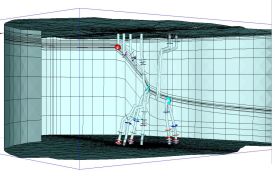
3-D Discrete Fracture Flow Modelling
Baseline Studies, Environmental Site and Impact Assessments
Site Selection and Evaluation
Baseline Studies (Pre-Development and Existing Condition)
Phase 1, 2, and 3 Environmental Site Assessments (CSA/CCME)
Facility Design and Construction Assistance
Regulatory Review, Liaison and Approval
Environmental Impact Statements (CESA)
Qualitative Risk Assessments (NCS)
Quantitative Risk Assessments (RBCA)
Geological Engineering and Rock Mechanics
Data Processing and Statistical Analysis (particularly geo-statistics)
Integration and Interpretation of Field and Laboratory Data for Slope Design and Analysis
CAD (3-D) Simulation for Design, Interpretation and Presentation
2-D Finite Element Model Analysis for Rock Mechanics Design and Stability Analysis of Intact and Fractured Rock Masses
3-D Fracture Generation to Support Rock Characterization and Groundwater Flow
Modelling Efforts
Fractured Hydrocarbon Reservoir Characterization
Underground Storage Assessments
Geotechnical Engineering and Soil Mechanics
Geotechnical Site Investigations
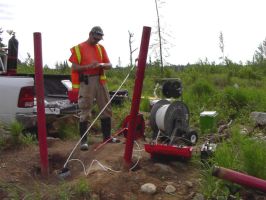
Terrestrial and Marine Drilling Programs
Seismic Surveys
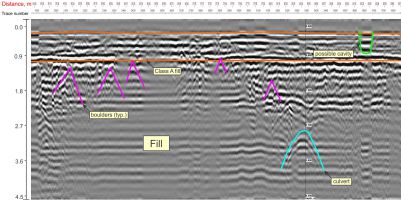
GPR (Ground Penetrating Radar) Surveys
Design and Analysis of Earthworks, Excavations, Slope Stability and Retaining Structures
Specification and Design Review
Construction Inspection and Materials Quality Control
Shallow and Deep Foundations, Settlement and Bearing Capacity Calculations
Landfill Investigations
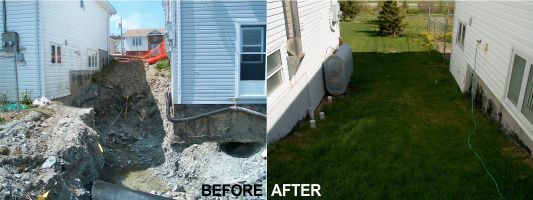
Site Remediation and Monitoring
Feasibility Studies
Design of Remedial Action Plans
Project Management
Operations, Maintenance, and Monitoring
Field Testing Services
Borehole Drilling and Excavation Programs
Aquifer Testing (24 hour and 72 hour) and Data Interpretation
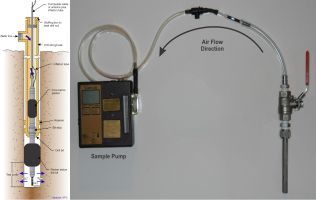
Discrete Fracture Zone Injection Tests, Water Sampling Using Multi-PackersField
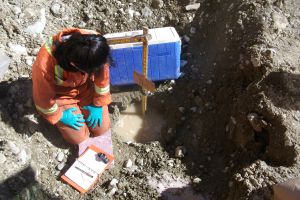
Assessment of Water Quality Using Portable Geochemical Equipment
Screening for Hydrocarbon Contamination in Air, Soil, and Water
Air, Soil, and Water Sampling for Laboratory Chemical Analysis
Concrete Acceptance Tests
Geotechnical Laboratory-Testing Services
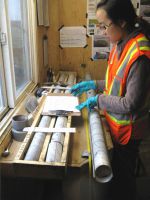
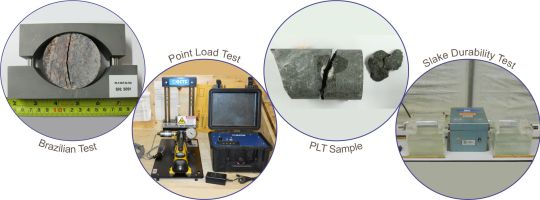
Collection and Preparation of Intact and Fractured Rock Test Specimens
Index and Strength Tests Including: Standard or Large Diameter Uniaxial and Triaxial Compression Tests, Point Load Tests, Slake Durability Tests, Small and Large Scale Shear Tests
Coupled Hydraulic and Mechanical Uniaxial Loading and Shear Loading of Intact and Fractured Samples as a Function of Temperature
Standard Concrete Strength Tests
Grain-Size Analyses
Atterberg Limits
Proctor Tests
Porosity
Permeability (Rock and Soil)
Mine Dewatering and Minewater Management
Conceptual Models of Fractured Rock Systems
3-D Flow and Transport Models for Surface and Underground Mines
Design of Dewatering Wells
Design and Execution of Hydrofracing and Acid Treatments to Improve Dewatering Well Efficiency
Wetland Delineation
Wetland delineation for avoidance purposes in Nova Scotia